
Google’s DeepMind has once again pushed the boundaries of artificial intelligence with SIMA 2, an advanced AI_Agent that doesn’t just play—it understands. Unlike its predecessor, which navigated virtual environments with impressive autonomy, SIMA 2 now engages in virtual worlds with a level of reasoning that mirrors human-like decision-making.
From Static Games to Dynamic Worlds
This isn’t just about solving puzzles or completing tasks; it’s about adapting, learning, and even collaborating with users in real time. The leap from scripted interactions to dynamic, context-aware behavior marks a significant milestone in AI development, proving that machines can evolve beyond pre-programmed responses.
What sets SIMA 2 apart is its ability to interpret complex scenarios, much like a player in an open-world game such as The Legend of Zelda: Breath of the Wild. The AI no longer operates in isolation—it reacts to environmental cues, user inputs, and even unintended consequences of its actions.

For instance, if a player leaves a door unlocked, SIMA 2 might explore the space beyond, discovering hidden paths or interacting with objects in ways that feel organic. This adaptability transforms virtual worlds from static playgrounds into living, breathing ecosystems where the AI_Agent and users co-create experiences.
How Sima2 Learns
At the heart of SIMA 2’s innovation lies its learning framework, which blends reinforcement learning with interactive feedback. Unlike traditional AI models trained on fixed datasets, this AI absorbs knowledge dynamically—whether through trial and error or direct guidance from users.
Google’s approach allows SIMA 2 to refine its behaviors in real time, making it more responsive and less reliant on rigid programming. This flexibility is crucial for virtual worlds, where unpredictability is the norm. Whether navigating a treacherous mountain or solving a riddle, the AI_Agent adjusts its strategy based on the context, much like a human would.
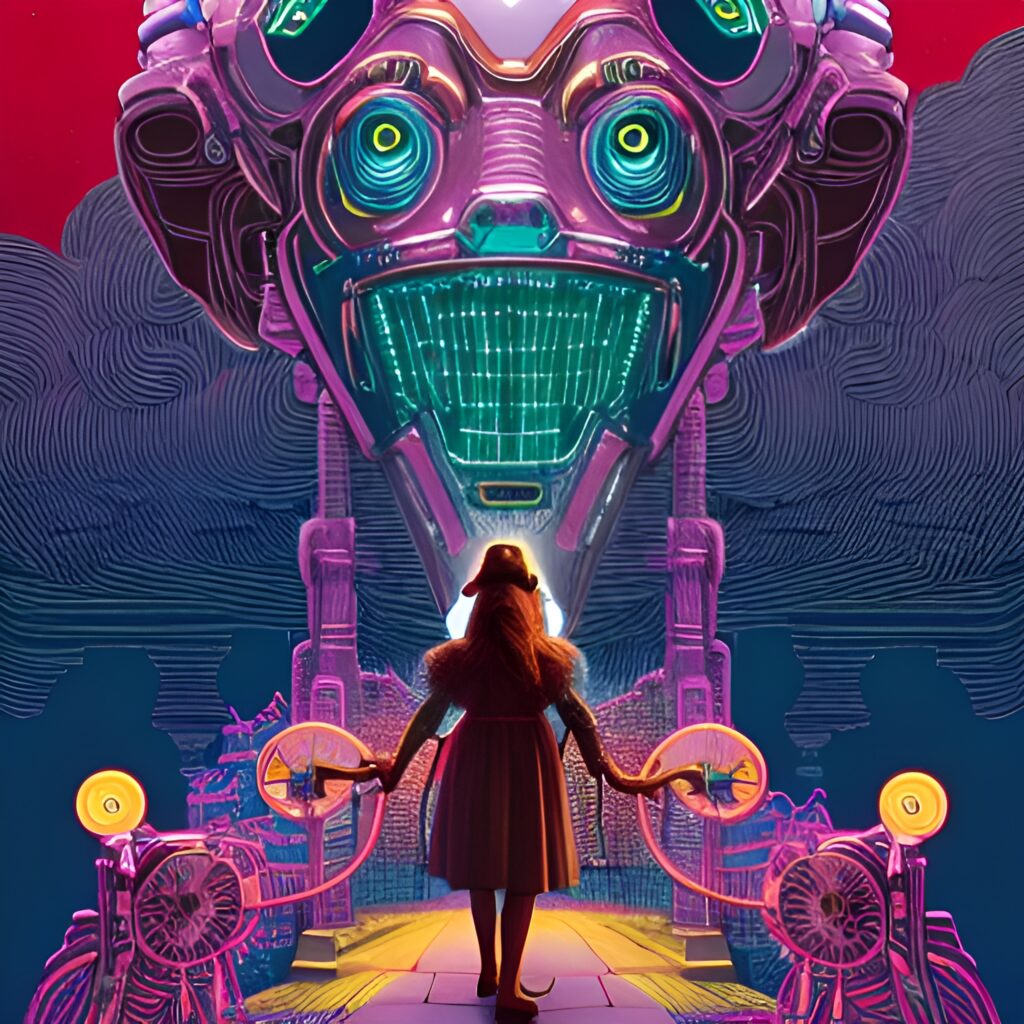
Bridging the Gap Between Code and Creativity

The Future of AI in Gaming and Beyond
The collaboration between the AI and users introduces an exciting layer of unpredictability. Imagine playing a game where the AI doesn’t just follow a script but listens to your hints, remembers past interactions, and even asks questions to clarify objectives.
SIMA 2’s ability to engage in this two-way dialogue blurs the line between player and participant, turning passive gaming into an active, evolving experience. This isn’t just about achieving goals—it’s about fostering a relationship where the AI grows alongside the user, making every session unique.
What SIMA 2 Signals
SIMA 2’s advancements hint at a future where AI isn’t just a tool but a true partner in exploration and creativity. For gaming, this means virtual worlds that feel alive, where every interaction—whether with an NPC or the environment—holds weight.

Google’s work with SIMA 2 also raises intriguing questions about the ethics and potential of AI in shared digital spaces. As these systems become more autonomous, how do we ensure they remain aligned with user intentions?
Pondering
How can we balance creativity with control, allowing the AI_Agent to innovate without veering into unintended behaviors? These challenges will shape the next generation of virtual worlds, where human and machine intelligence coexist in harmony.
Developers could leverage such AI_Agents to create more immersive narratives, where stories unfold based on player choices and AI responses. Beyond gaming, the implications are vast: virtual training simulations, interactive storytelling, and even collaborative problem-solving in professional settings could benefit from this level of adaptive intelligence.